
Securing Capital for Massive Energy Corridors
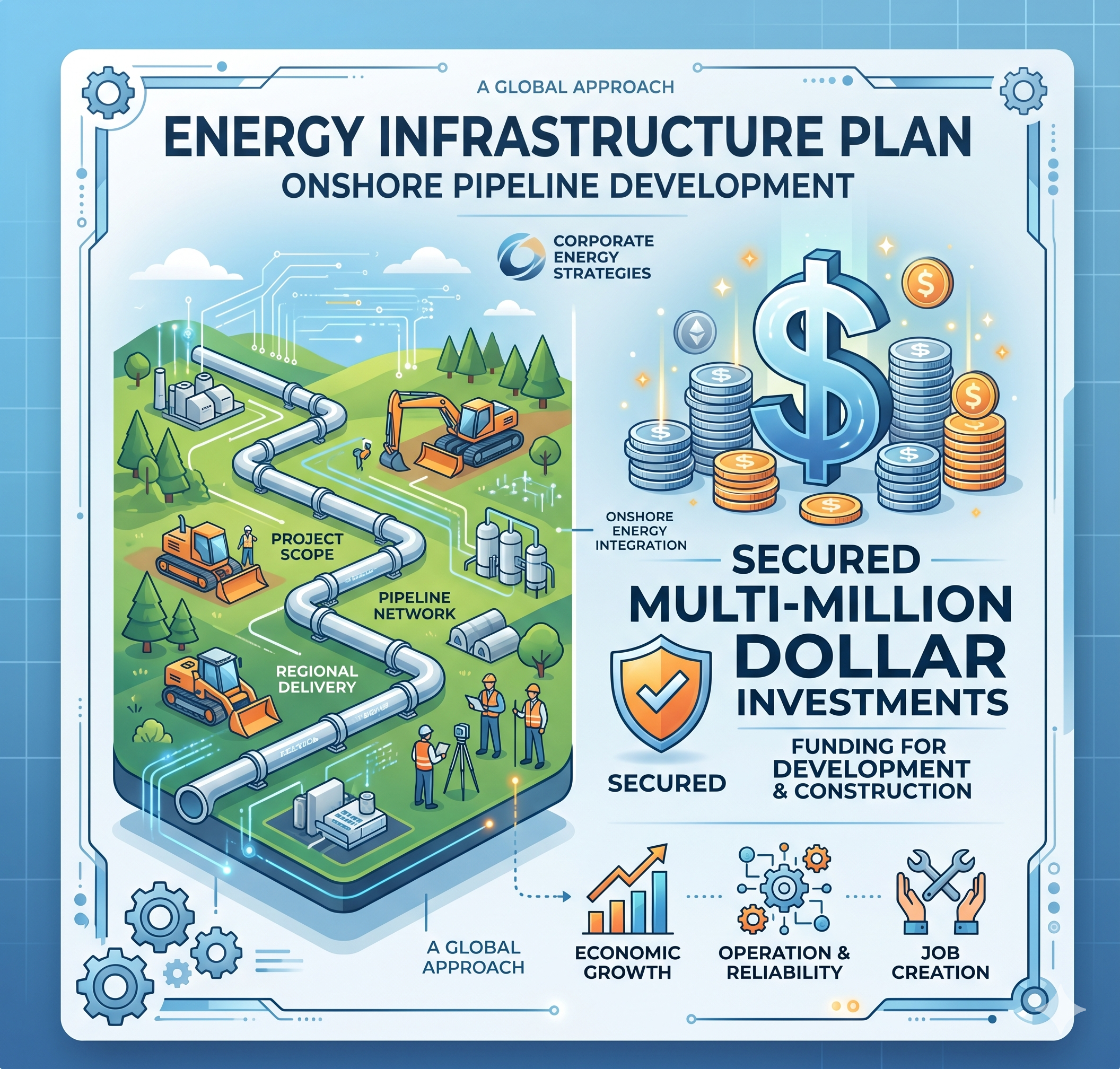
Large-scale onshore energy infrastructure projects, such as cross-border pipelines and processing facilities, require massive capital expenditure and involve highly complex logistical operations. Our client, a joint venture developing a major European pipeline network, needed to secure project financing from a consortium of international banks.
The lenders required ironclad risk mitigation. Any significant delay caused by environmental protests, extreme weather, supply chain failures for critical components, or engineering faults could jeopardize the multi-million dollar investment and drastically alter the project's financial viability.
The Client's Objective
The client needed a comprehensive Construction All Risks (CAR) policy coupled with a robust Delay in Start-Up (DSU) provision. The investors required absolute assurance that their capital was protected against catastrophic physical loss during the construction phase, and that anticipated revenue would be indemnified if the project failed to meet its commercial launch date due to a covered peril.
Our Strategic Solution
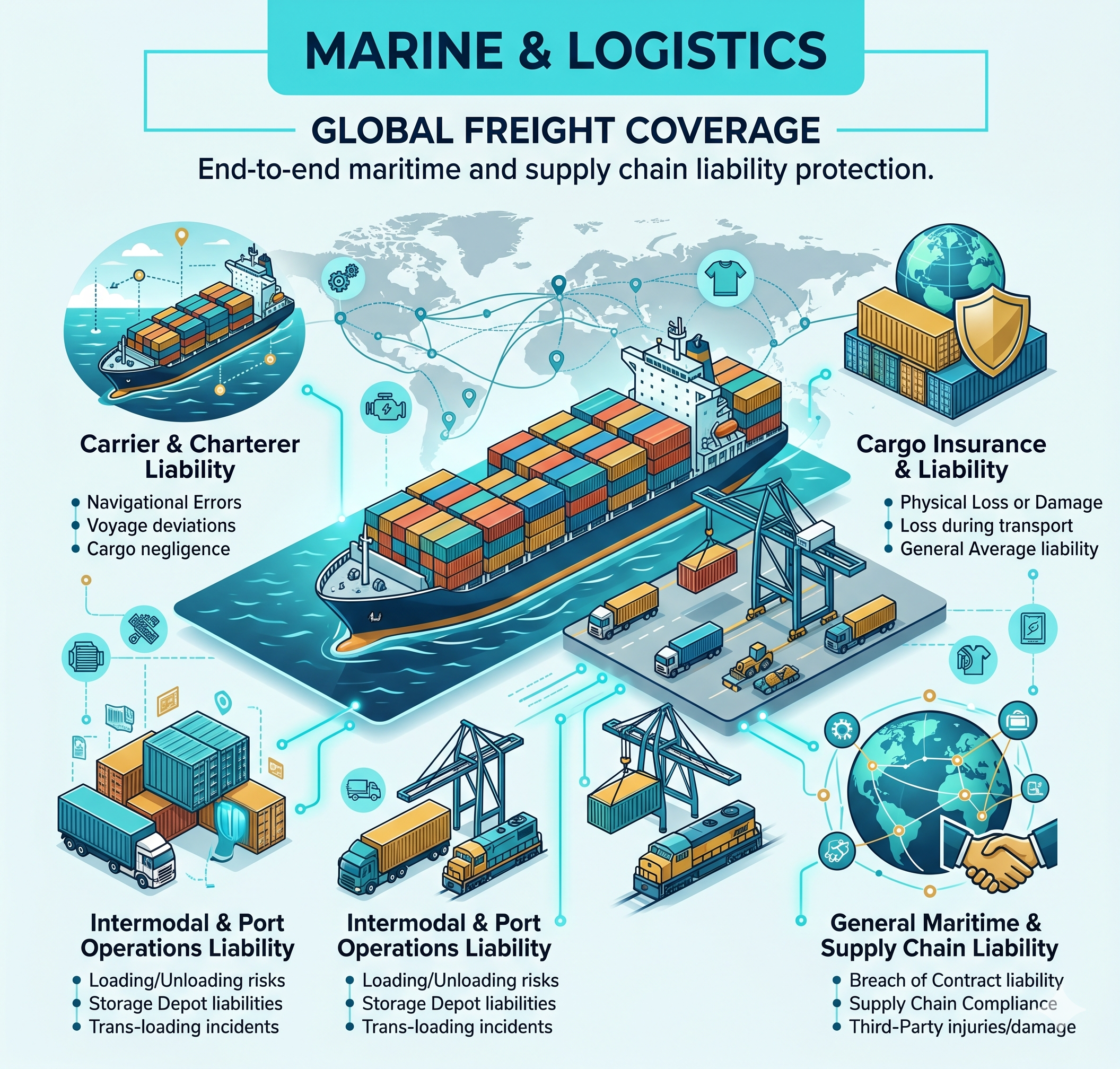
JLT’s Energy Infrastructure specialists structured a bespoke insurance program to meet the exacting standards of the international lenders. We engaged the London energy market to syndicate this high-value risk. The customized policy included tailored clauses for severe environmental liability, third-party contractor liabilities during the trenching and pipe-laying phases, and specialized marine transit coverage for the critical materials imported from overseas.

Guaranteed Project Viability
With JLT Group's comprehensive CAR and DSU policies in place, the client successfully satisfied all lender covenants and closed their funding rounds on schedule. When a minor supply chain disruption occurred during month 14 of the build, the DSU provision insulated the joint venture from the resulting financial strain.
The pipeline reached completion and commercial operation successfully. Our ongoing relationship ensures that the operational phase of the pipeline is equally protected under an Operational All Risks (OAR) framework, providing long-term security for the infrastructure's lifecycle.
Explore More Case Studies